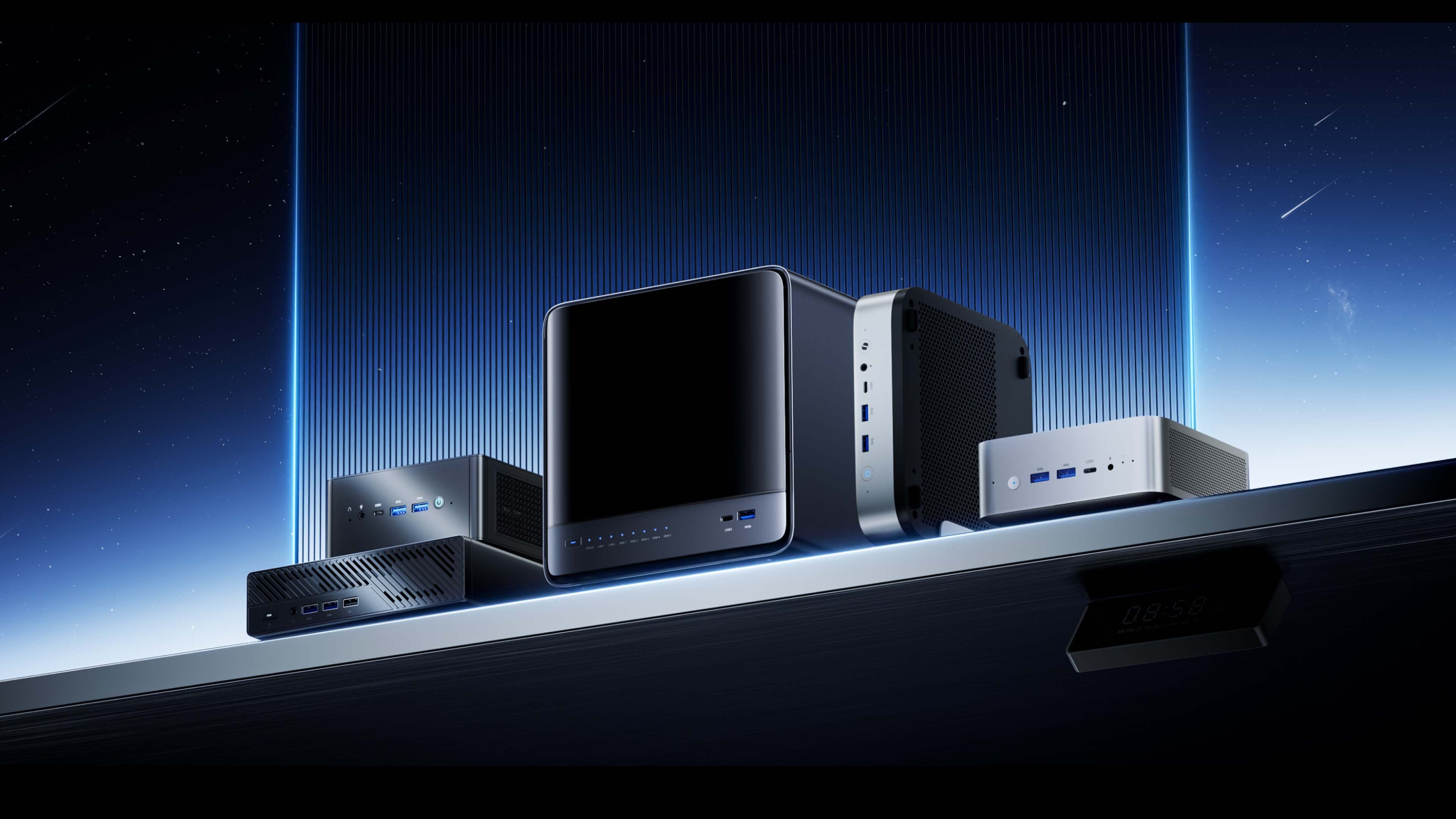
MINISFORUM MS-S1 MAX Thermal Performance Review: Cooling That Powers a Flagship
In high-performance computing, thermal design isn’t a “nice to have”— it determines whether sustained performance is even possible.
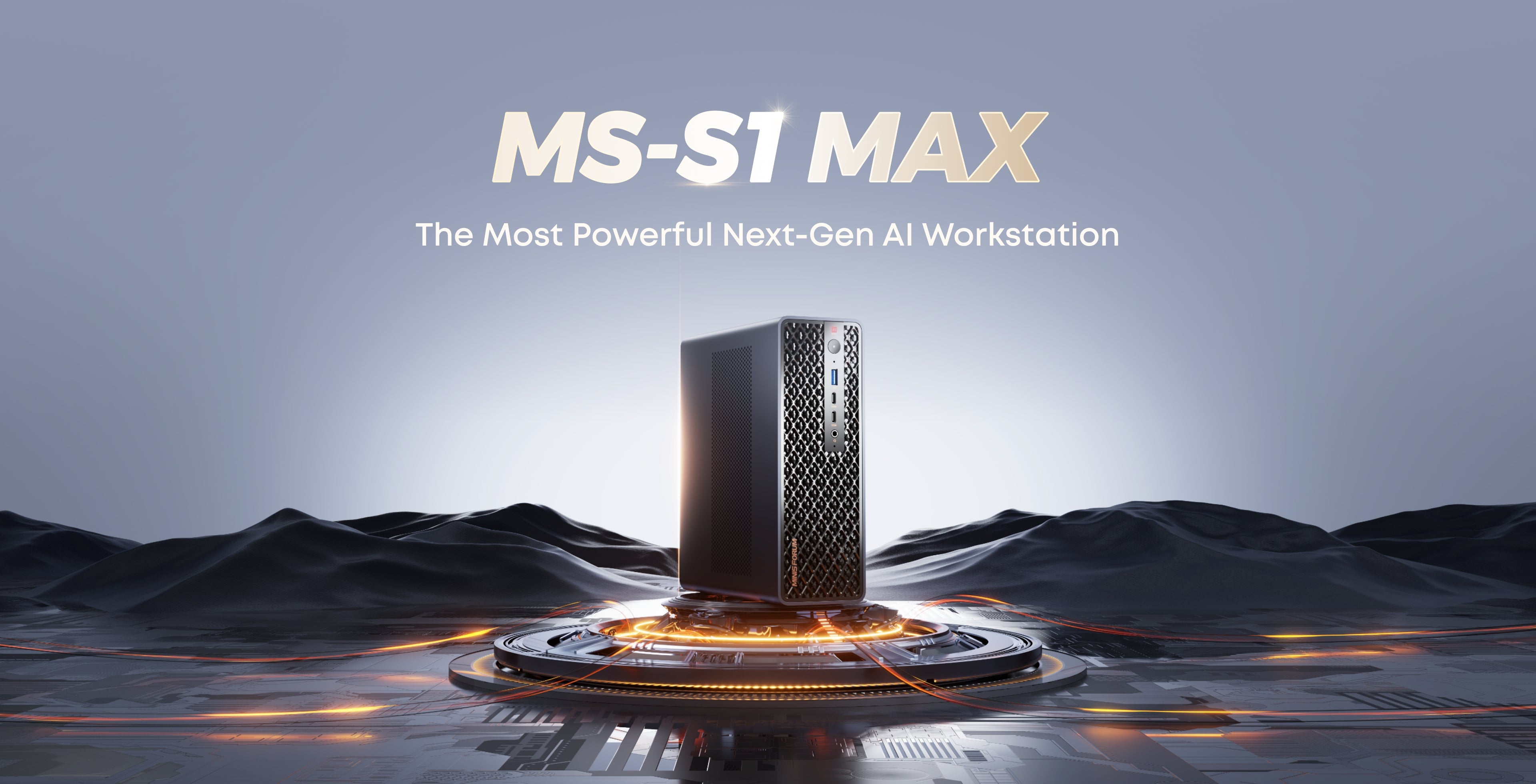
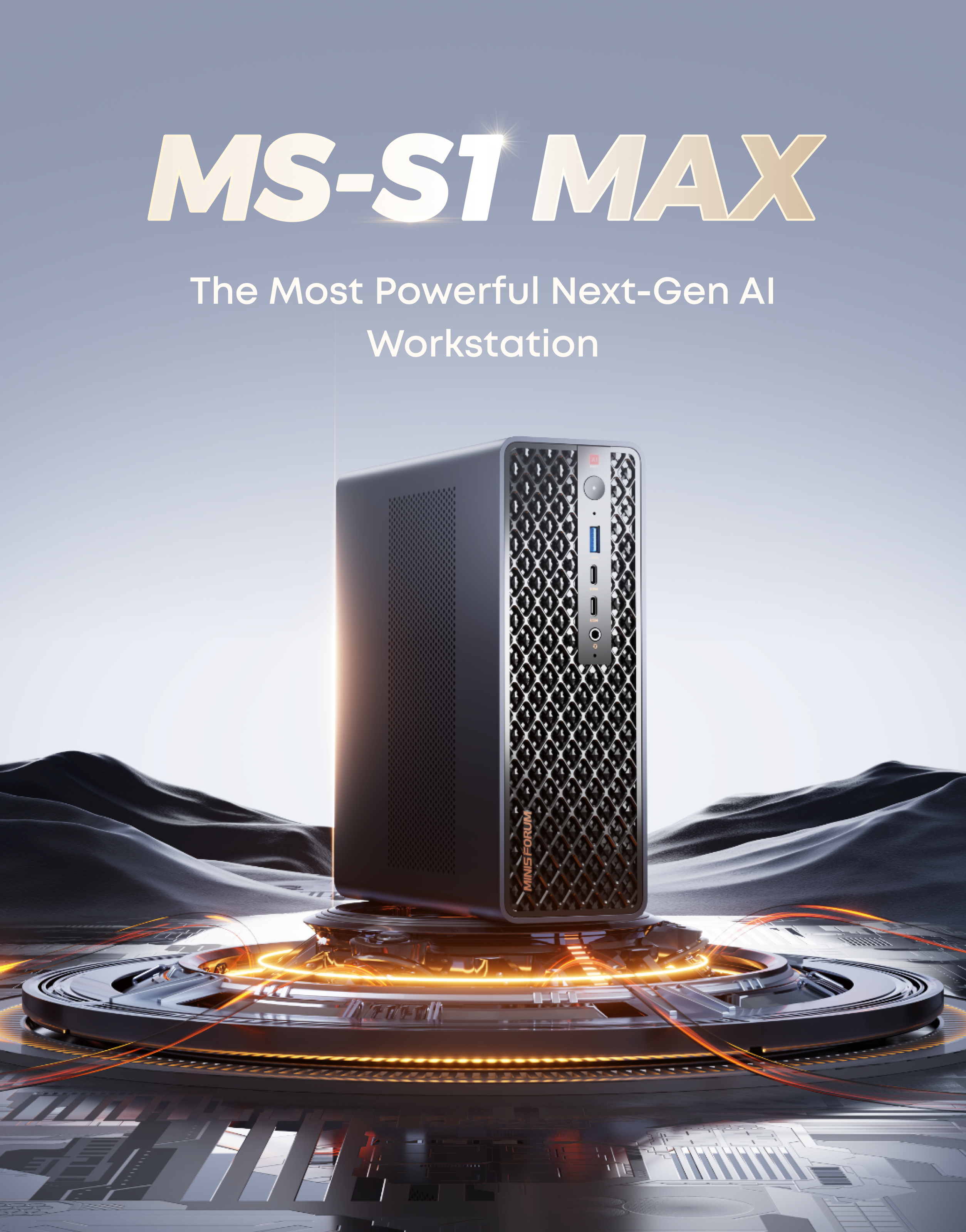
As MINISFORUM’s flagship AI Mini Workstation built for professionals and creators, the MS-S1 MAX features an engineering-grade cooling system that keeps this compact machine stable, efficient, and quiet under intensive workloads.
Five Pillars of the MS-S1 MAX Thermal Architecture
The cooling solution inside the MS-S1 MAX is built around five key components:
· Aerospace-Grade Aluminum Chassis
The full-aluminum enclosure is both durable and functional. Its high thermal conductivity allows the chassis itself to act as a large passive heatsink. The diamond-pattern ventilation dramatically improves airflow, helping internal heat dissipate more rapidly.
· Solid Copper Baseplate + Six Heat Pipe
A solid copper baseplate — far more thermally conductive than typical materials — draws heat away from the CPU and GPU with exceptional speed. Six high-efficiency heat pipes form an optimized thermal pathway, quickly redistributing heat from hotspots and preventing thermal buildup.
· Dual Turbofan Cooling System
Two coordinated turbofan units generate strong, directional airflow that flushes heat out of the chassis. This prevents heat accumulation and ensures consistent cooling performance even during prolonged heavy usage.
· Advanced Phase-Change Material (PCM)
When temperatures rise, the PCM layer liquefies and fills microscopic gaps between the chip and the heatsink. Compared to standard thermal paste, PCM offers significantly lower thermal resistance, enabling faster and more efficient heat transfer.
· 130W Sustained / 160W Peak Thermal Headroom
The thermal system is engineered to support up to 130W sustained and 160W peak power draw. This allows the processor to maintain high-frequency operation during performance mode without throttling due to heat saturation.
Real-World Testing: How MS-S1 MAX Cooling Translates Into User Benefits
To illustrate how these designs perform under stress, we reference data from reputable third-party reviewers.
Low Temperatures Under Load + Consistent Performance
According to testing by HKEPC Hardware, the MS-S1 MAX maintained roughly 130W CPU package power during extended Cinebench and sustained workloads. CPU temperatures held at around 72°C peak with an average of 74°C — an impressive result for a machine of this size.
These thermal characteristics deliver tangible benefits:
· Stable performance in heavy applications such as large-scale compilation, 3D rendering, and long video exports — without frequency drops.
· More reliable on-device AI inference, ensuring neural workloads run consistently instead of collapsing into thermal throttling.
· Improved long-term reliability, as lower sustained temps reduce wear on onboard components and storage.
Balanced Acoustics and Cooling Efficiency
Measurements from NotebookCheck show that while the fans ramp up under load, the MS-S1 MAX still maintains excellent CPU and surface temperatures for a compact workstation. It also demonstrates solid acoustic behavior without excessive noise.
For users, this means:
· Quiet operation during daily productivity and creative tasks.
· Strong performance in performance mode without intrusive fan noise.
· Reliable acoustics during meetings, content recording, or collaborative work.
What the Cooling System Ultimately Delivers
Based on the engineering design and third-party testing, the MS-S1 MAX’s thermal system translates into clear real-world advantages:
1. Sustained High Performance
The robust cooling ensures the CPU and GPU maintain peak output over long workloads, reducing performance drops caused by thermal throttling. This is critical for developers, video editors, 3D artists, and AI engineers.
2. Higher Productivity and Smoother Workflows
A stable thermal environment means the system remains responsive during multitasking or complex workloads, avoiding slowdowns caused by rising temperatures.
3. Enhanced Long-Term Reliability
Lower overall operating temperatures protect internal components, improving longevity and reducing risks tied to long-duration heat exposure.
4. A Quiet, Professional Work Environment
The thermal design keeps noise levels controlled across typical use scenarios—ideal for creative work, office environments, and conferencing.
Thermal Engineering as the Foundation of Real Performance
The cooling design of the MS-S1 MAX isn’t a mere collection of specs—it’s a holistic, system-level approach. From materials and airflow design to heat pipe placement and PCM integration, every element works toward a single goal: superior thermal management. Combined with real-world thermal data, the MS-S1 MAX delivers stable high performance, balanced acoustics, and long-term reliability in a remarkably compact form factor.
For users who demand professional-grade power, long-hour reliability, and advanced cooling efficiency, the MS-S1 MAX is not just a powerful mini workstation—it’s a machine engineered to sustain your workload.